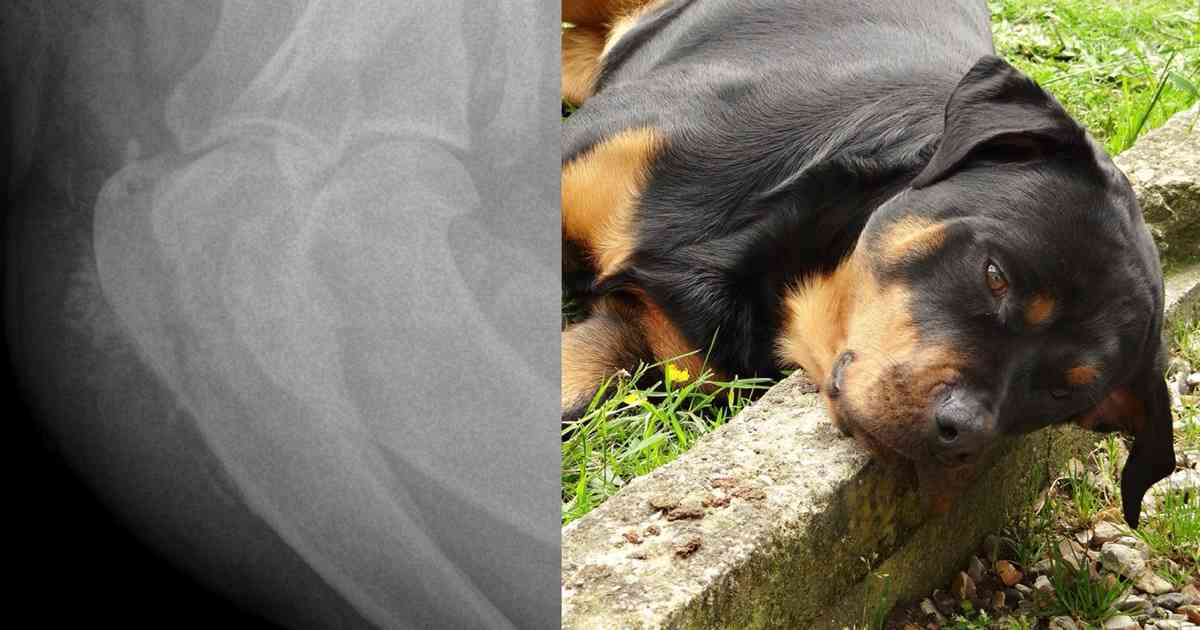
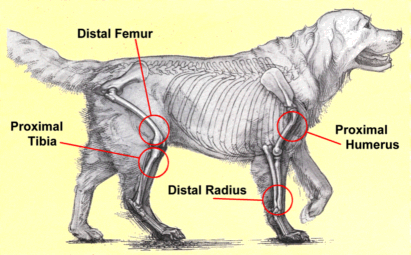
Bone Cancer Symptoms In Dogs : Symptoms Of Bone Cancer In Dogs By Drrons Animal Hospital Emergency Issuu : Radiation therapy may also be an option.. Radiation therapy may also be an option. Osteosarcoma of the limbs is called appendicular osteosarcoma and accounts for 75. Osteosarcoma (osa) accounts for only approximately 5% of all canine tumors, but is by far the most common bone tumor of the dog. It is a malignant tumor of the bone and can develop in any bone, but most often occurs in bones bordering the shoulder, wrist and knee. Signs and symptoms of bone cancer in dogs 1).
Those are all classic signs. The symptoms of bone cancer in dogs can appear instantly without any sign of sickness. Rebecca, i am so sorry to hear about your dog. The warning signs of cancer in dogs are very similar to that in people. So any time an animal isn't.
Bone Cancer In Dogs Signs Survival Walkerville Vet from www.walkervillevet.com.au Lameness that doesn't go away and swelling of the affected bone; They can include swelling, lameness, and joint or bone pain. Below are some of the most common symptoms of bone cancer that pet parents should watch for: The warning signs of cancer in dogs are very similar to that in people. Lameness caused by osteosarcoma is typically mild at the onset, but then progresses over time. These bone lesions have been identified in up to 25% of dogs with osteosarcoma at the time of initial diagnosis. Continuing lameness, like limping or stiffness, can be caused by nerve, muscle, or bone cancer. Difficulty eating if a tumor affects the.
As the tumor continues to grow, the bone containing the tumor will expand.
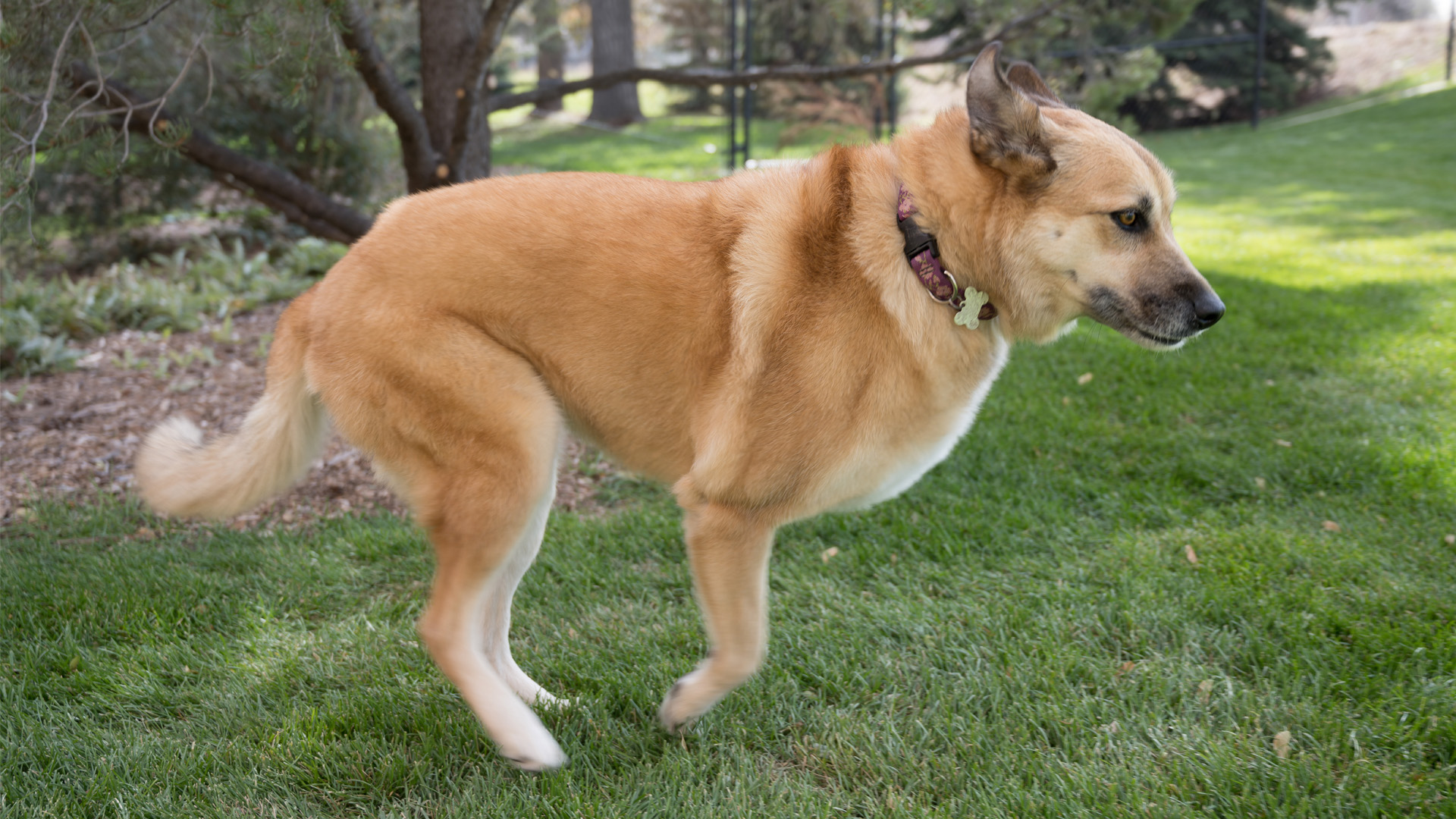
Below are some of the most common symptoms of bone cancer that pet parents should watch for: Signs and symptoms of bone cancer in dogs 1). Primary bone cancer originates from the bone, and metastatic bone cancer originates from a cancer in another part of the body, but have spread to the bone. One of the hallmark signs of canine osteosarcoma in the limb is pain, causing the dog to limp. Lameness osteosarcoma is the most common bone cancer in dogs. Rebecca, i am so sorry to hear about your dog. As the tumor continues to grow, the bone containing the tumor will expand. Although in older dogs it can also be a symptom of arthritis. The cancer usually originates inside the bone and spreads to the outside of the limb. Amputation is by far the most common treatment with chemotherapy following surgery. These are the most common symptoms when a tumor affects a limb. But sometimes there are little or no signs, at least early on. Unfortunately, the symptoms of bone cancer can be subtle and hard to detect at first.
Since the tumor starts deep within the bone, your dog may not feel any pain or discomfort in the early stages. Most commonly, it affects the long bones of the legs. Lameness osteosarcoma is the most common bone cancer in dogs. They can include swelling, lameness, and joint or bone pain. While tumors usually occur in the long bones of the limbs, osteosarcoma can affect any bone.
Bone Cancer In Dogs Flint Animal Cancer Center from www.csuanimalcancercenter.org Here is a summary of the most common symptoms of bone cancer in dogs. Lameness osteosarcoma is the most common bone cancer in dogs. Osteosarcoma is a type of bone cancer. These are the most common symptoms when a tumor affects a limb. As the tumor increases, you may also notice a swelling in the affected area. Symptoms of bone cancer in dogs (picture credit: Osteosarcomas are aggressive tumours that spread to other parts of the body (often the lungs). But sometimes there are little or no signs, at least early on.
This is often the first sign of a tumor in the skull, jaw, or ribs.
This is often the first sign of a tumor in the skull, jaw, or ribs. Although in older dogs it can also be a symptom of arthritis. Difficulty eating if a tumor affects the. Osteosarcomas are aggressive tumours that spread to other parts of the body (often the lungs). Local swelling or a lump on the limb a swelling if mostly the easiest and early signs to detect on the limb. It is a malignant tumor of the bone and can develop in any bone, but most often occurs in bones bordering the shoulder, wrist and knee. This bone cancer grows very quickly and frequently spreads to other areas of the body, especially lymph nodes, lungs and other bones. Symptoms of bone cancer in dogs: Amputation is by far the most common treatment with chemotherapy following surgery. Types of bone cancer in dogs. Lameness osteosarcoma is the most common bone cancer in dogs. The symptoms of osteosarcoma, or bone cancer, in dogs can be subtle. Osteosarcoma is the most common primary bone tumor of dogs and nearly 10,000 dogs are diagnosed with this cancer each year.
Symptoms of bone cancer in dogs (picture credit: As the tumor increases, you may also notice a swelling in the affected area. They are most common in leg bones, but can affect any bone in the body. Osteosarcoma is a painful, aggressive disease. Osteosarcoma of the limbs is called appendicular osteosarcoma and accounts for 75.
Osteosarcoma Canine Mar Vista Animal Medical Center from www.marvistavet.com Getty images) symptoms of bone cancer in dogs can appear subtly, especially in the early stages of the disease. Another symptom is depression and sleepiness. The dog will be less active and will lack appetite. Symptoms and types many signs of bone cancer are subtle. One of the hallmark signs of canine osteosarcoma in the limb is pain, causing the dog to limp. Canine bone cancer symptoms osteosarcoma tumors typically form in a dog's long bones, or growth bones, and are found frequently below the elbow or near the knee or shoulder. This is probably due to various factors, including a higher relative risk in large and giant breed dogs to develop the disease over their lifetime (as compared to other. There are two types of bone cancer in dogs.
Rebecca williams on november 29, 2016:
So any time an animal isn't. Rebecca williams on november 29, 2016: Although in older dogs it can also be a symptom of arthritis. Symptoms and types many signs of bone cancer are subtle. Primary bone cancer originates from the bone, and metastatic bone cancer originates from a cancer in another part of the body, but have spread to the bone. Rebecca, i am so sorry to hear about your dog. Osteosarcoma of the limbs is called appendicular osteosarcoma and accounts for 75. These are the most common symptoms when a tumor affects a limb. These bone lesions have been identified in up to 25% of dogs with osteosarcoma at the time of initial diagnosis. Osteosarcoma accounts for 85% of all primary malignant bone tumors of dogs and tends to affect the limbs more commonly than the spine or skull. Symptoms of bone cancer in dogs: Local swelling or a lump on the limb a swelling if mostly the easiest and early signs to detect on the limb. This is probably due to various factors, including a higher relative risk in large and giant breed dogs to develop the disease over their lifetime (as compared to other.